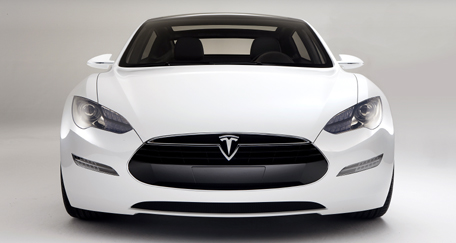
Green Vehicles is a very actual topic that increases its importance when speaking about ecological problems and the lack of energy sources the planet may experience in the nearest future. No motor show is held without introducing of the recent achievements in the green car building. Like a fewer, all the web directory automotive brands as GM, Ford and Daimler Chrysler starts to involve great funds into the researching and development of the eco technologies. In spite of the different approaches, they have a common goal: to reduce the amount of emissions and harm, contemporary cars commit for the Earth. The researches occur both directions: natural and less harmful energy sources and bio material that may be used for car building. New technologies are being used by automotive companies every day. One of them is a gasoline turbocharged direct injection engine gives nearly as much output as a petroleum combustion engine. New types of diesel are being invented from household wastes and used automobile tires. Petroleum Royal Directory alternatives for fueling green cars are the focus of ongoing development and research in the car industry. Car body materials are to be grown from special breeds of plants. Such innovations will allow to reduce the amount of contaminations, produced by vehicles and increase their fuel efficiency and safety. Some researches into bioplastics has developed innovative bio-materials from forestry and agricultural sources, which match the high performance of high density conventional plastics and metals. They could be used in automotive parts such as car bumpers, custom tail lights or factory dash boards. Such approaches will increase the use of sustainable materials in automotive manufacturing, while maintaining performance and safety, there are two huge benefits. First of all, a key component of the synthetic products, such as synthetic composites and high density plastic fibres is oil. So less synthetic products means less oil. Another feature is that bio-synthetic products are considerably lighter when designed properly. So the more you can use in a vehicle, the lighter it is and the less fuel it needs to power the drive train. Such materials will be in general use in auto manufacturing in the next 2-5 years. The future of every size and shape vehicles is being more green. |

For Any Inquiries: [email protected] 
 |

|